Young adult independence support · Western & South-Western Sydney
Build real-world confidence for adult life.
The problem we work on
Knowing how is not the same as doing it.
School finishes and the goals get bigger. What often stays the same is the number of real chances to practise them. We call that distance the Practice Gap, and it is not a gap in intelligence, effort or motivation.
Knowing how a bus works
is not the same asTravelling to TAFE alone, on a Tuesday, in the rain.
Understanding money
is not the same asPaying for lunch and still having the fare home.
Wanting a job
is not the same asArriving on time, three shifts in a row.
Where would you like to start?
Every path begins somewhere.
Choose the sign that sounds most like you, and the rest will make sense from there.
Everyday life
- Daily life & routinesGetting ready, organising belongings and following everyday routines.
- Money & everyday decisionsPaying for things, staying within an amount and making everyday choices.
- Getting around & communityTravelling to familiar places and working out what to do when a plan changes.
Community, study & work
- Communication & self-advocacySaying what they want, what they don't want, and asking for help.
- Social & community participationOrganising and taking part in activities they enjoy, the way they want to.
- Work & study readinessPreparing for a regular commitment and following familiar tasks.
These are examples, not a curriculum. Most people work on one or two at a time.
Not sure where to start?
Climb the summit with us.
We support young adults who are ready for the next level of everyday independence: for themselves, their families and their community. The free Scorecard is the easiest first step.
No NDIS number or diagnosis needed. Not a clinical assessment, a Functional Capacity Assessment, or an NDIS eligibility or funding assessment.
How it works
Four steps, then round again.
The STEP Method is a cycle, not a program with an end date.
Snapshot
Where are things now?
What matters to them, what they already do, what support is in place, and where there is room for more participation.
Target
What matters next?
A broad goal becomes one specific, real-world capability worth practising - specific enough to know whether it is changing.
Experience
Practise it in real life.
The same capability, practised in the actual setting, with the level of support that fits the moment.
Progress
What is changing?
Initiation, participation, assistance needed, confidence, consistency, problem-solving, asking for help.
On the way
Ways we can help.
Start small or start with a conversation. Every route ends with a straight answer.
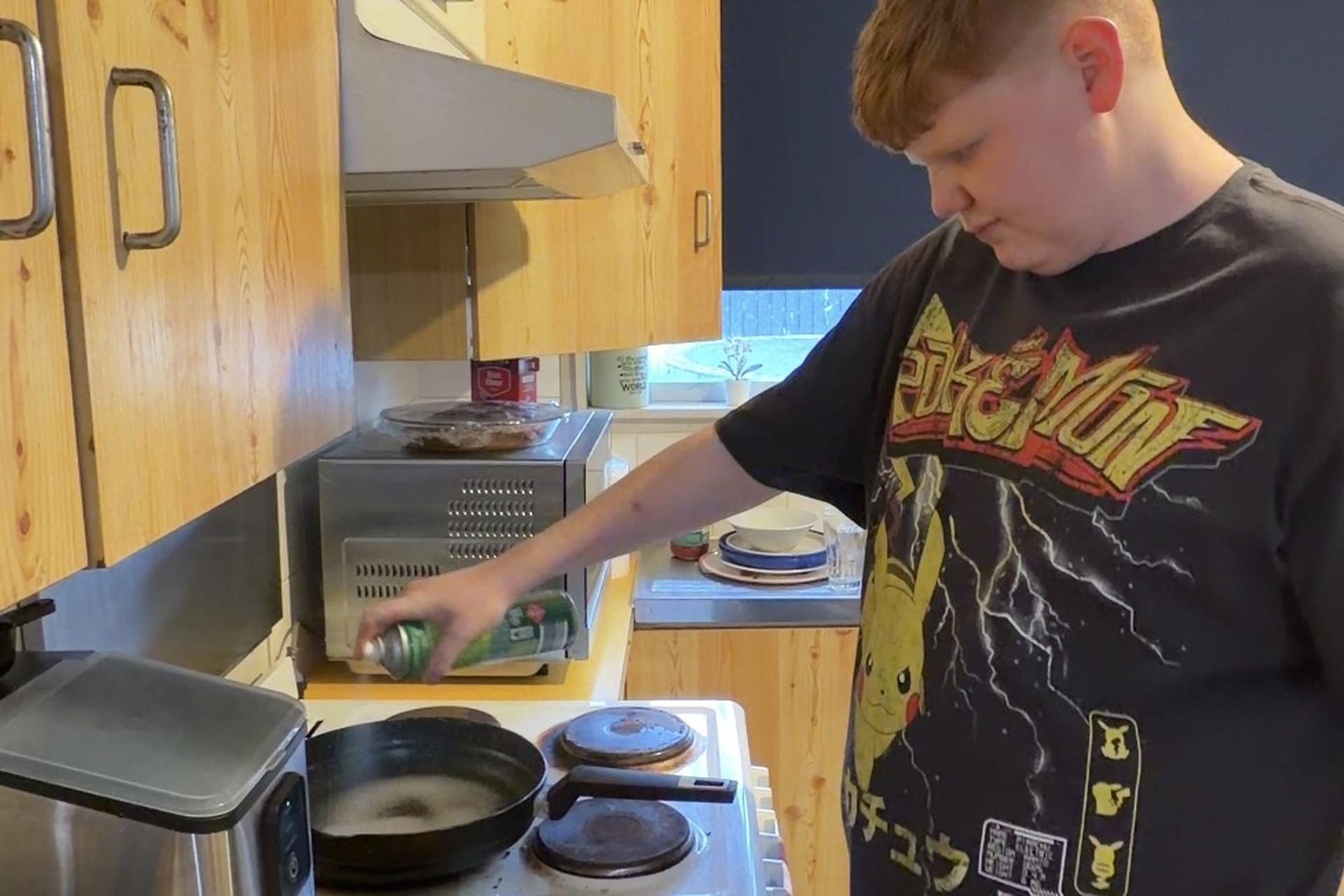
- The Independence PathwayOne-to-one practice in real situations, at the young adult’s pace.
- The Independence ScorecardTwelve plain questions. A capability profile on screen straight away.
- An Independence CallA conversation about goals, and an honest answer on whether we’re the right fit.
- For referral partnersClear fit criteria and a simple referral form for support coordinators and professionals.
Fit
Who Waymaker is for, and who it isn’t.
Being specific is more useful than claiming to suit everyone.
Likely a fit when
- Aged roughly 18-25 and moving into adult life
- Has goals for daily life, community, study or work
- Wants more choice and control over everyday situations
- Benefits from one-to-one practice, repeated over time
May not be the right fit when
- The main need is clinical, therapeutic or behaviour support
- The need is 24-hour care or supported independent living
- The support needed is beyond what our workers can safely provide
- The young adult does not want this kind of support

Meet the founder
Small on purpose. You speak to the person who runs it.
Joe Surace has worked with young people as a youth officer in juvenile detention, a teacher’s aide supporting students with complex needs, and a mentor to high school students. Waymaker grew from the question that kept coming up: what happens to these young people after the structure stops?
Real situations
Practice happens where the skill is actually needed, not in a classroom.
Their goals
The young adult decides what gets practised, and how much help they want.
Small on purpose
You speak to the person who runs it, from the first call.
Honest about fit
If we are not the right support, we say so early and point you on.
Fancy a taste?
Practical reading, free.
Transition into adult life · 6 min read
What happens after school for young adults with disability?
School ends, and the structure that came with it ends too. Here is what actually changes, and what is worth setting up before it does.
Read the article
Independence & capability · 5 min read
Knowing a skill is not the same as doing it in real life
Why a young adult can explain exactly how something works and still not be able to do it on a Tuesday - and what closes that gap.
Read the article
Parents & families · 6 min read
How much should parents help? Prompting versus doing the task
A practical way to think about the level of help you are giving, without swinging between doing everything and stepping back too fast.
Read the article
Questions
Common questions.
Who is Waymaker for?
Young adults with disability, roughly 18-25, who are moving into adult life and want more choice and control over everyday situations. Support is one-to-one and built around practising real tasks.
What age group do you support?
Our focus is approximately 18-25. If someone is a little outside that range, ask us - we would rather tell you honestly whether it fits.
Is the Scorecard or the Snapshot a clinical assessment?
No. Neither is a clinical assessment, a Functional Capacity Assessment, an NDIS eligibility or funding assessment, or a diagnostic tool. The Scorecard is a conversation starter. The Snapshot is our own planning step.
Does independence mean doing everything alone?
No. Independence here means more choice, more self-direction and the right level of support at the right time. Needing support is not a failure, and less support is not the goal by default.
What can we work on?
Everyday routines, money and decisions, travel and community, communication and self-advocacy, social participation, and work or study routines. The participant chooses what matters.
Do you support self-managed and plan-managed participants?
Yes - both. Whether a particular support can be funded still depends on the individual plan and circumstances, so we will always be upfront about that.
Come with us
Let’s climb new peaks together.
No matter where you are on the journey, we’ll plan the next stage with you. Start with the Scorecard, or talk it through.