The service · Western & South-Western Sydney
The Waymaker Independence Pathway
Structured one-to-one support for young adults aged 18–25, built around practising the parts of adult life they want more control over.
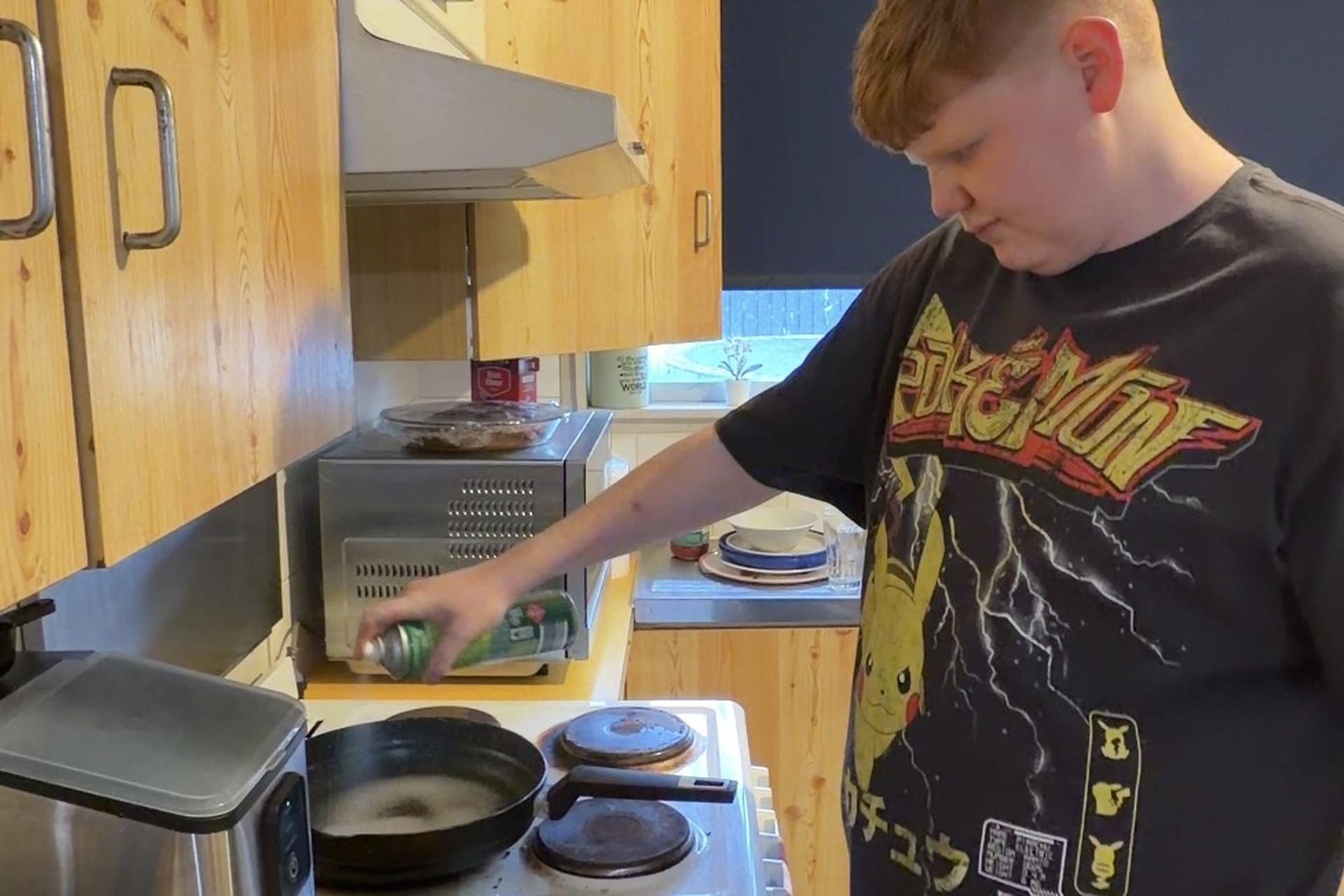
Who it is for
A young adult moving into adult life.
Someone with real goals who still needs practice, prompting or guidance across some everyday situations. They may live at home, rely on family for a lot of organising, or have recently finished school.
If you are the young adult reading this: this is support you direct. You choose what gets practised, how much help you want, and what you would rather do yourself. If a goal on the list is not yours, it comes off.
Funding
Waymaker works with self-managed and plan-managed participants.
Waymaker Pathways is not a registered NDIS provider and works with self-managed and plan-managed participants. Whether a support can be funded depends on the participant’s own plan and circumstances.
How it works
Four steps, then round again.
The STEP Method turns a broad goal into one thing that can be practised, and shows whether it is changing.
Snapshot
Where things are now: what matters, what they already do and what support is in place.
Target
One specific capability worth practising, written so anyone could tell if it is changing.
Experience
Practised in the real setting, with the level of support that fits the moment.
Progress
What changed is reviewed, and the participant decides what happens next.
What gets practised
Six areas, and the participant chooses.
Nobody is put through all six. Targets are agreed with the participant and can be changed by them at any point — including if a parent or referrer suggested them.
Daily life & routines
Getting ready, organising belongings and following everyday routines.
Money & everyday decisions
Paying for things, staying within an amount and making everyday choices.
Getting around & community
Travelling to familiar places and working out what to do when a plan changes.
Communication & self-advocacy
Saying what they want, what they don't want, and asking for help.
Social & community participation
Organising and taking part in activities they enjoy, the way they want to.
Work & study readiness
Preparing for a regular commitment and following familiar tasks.
Worker matching
The right person changes whether practice happens.
We match on the practical things: the goals in play, shared interests, communication style, language, gender preference where it matters, and availability that fits the real routine.
What the first month can look like
Independence Call
A conversation about goals and whether Waymaker is the right fit. If it is not, we say so here.
Snapshot
Understanding what they want more control over, what they already do and what support is in place.
Match and first target
A worker matched to them, and one specific capability agreed as the starting point.
Practice begins
The same capability practised in the real setting, with support adjusted as needed.
An illustration of the sequence, not a promised timeframe. Timing depends on availability, funding and what suits the participant.
Graded assistance
Support moves up and down this ladder, in both directions
Where support sits depends on the person, the activity, the environment, safety and their own preference. Moving down a rung is not failure, and the top rung is not the goal for everyone.
- Rung 1: Demonstrate / do withA worker shows or does it alongside them.
- Rung 2: GuideStep-by-step guidance through the task.
- Rung 3: PromptReminders and check-ins at the right moments.
- Rung 4: StandbyA worker is there, but not stepping in.
- Rung 5: Self-directedThey lead, and ask for help when they want it.
Progress
Support that moves, and progress you can see.
Not described as a score, but as changes anyone can recognise:
- Whether they start the task themselves
- How much assistance is needed now
- Confidence, and consistency across different days
- Asking for help at the right moment
- Doing it somewhere new, with someone else
Family and referrer updates are set up at the start, with the participant’s agreement about what is shared and with whom. They are an adult, and it is their information.
Boundaries
What the Pathway is not.
- Therapy, clinical or specialist behaviour support
- A clinical, functional capacity, eligibility or funding assessment
- Supported independent living or 24-hour care
- A fixed skills curriculum everyone completes
- A guarantee about how capability will change
If what you need sits in one of those categories, we would rather point you elsewhere than take it on. About Waymaker
Questions
Pathway questions.
How often does practice happen?
It depends on the plan, the target and what the participant wants. Capability builds through repetition, so a regular weekly rhythm usually works better than occasional long sessions.
Who decides what gets practised?
The participant. Families and referrers add context and we bring structure, but a target nobody chose is a target that quietly stops happening.
Can support increase again?
Yes. Support moves in both directions. Illness, a new environment, a change at home or a hard month can all mean stepping back up, and that is a normal part of the process.
Do you work with other providers and therapists?
Yes, with the participant’s agreement. If an OT has recommended an approach, practising it in real settings is often exactly what is missing.
Is this the same as community access?
It can look similar from the outside, because both happen out in the community. The difference is that a Pathway session has a target, a support level and a record of what changed.
Come with us
Take the first step, on your terms.
Start with the Scorecard, or talk it through. Either way, you’ll get a straight answer about whether Waymaker is the right fit.